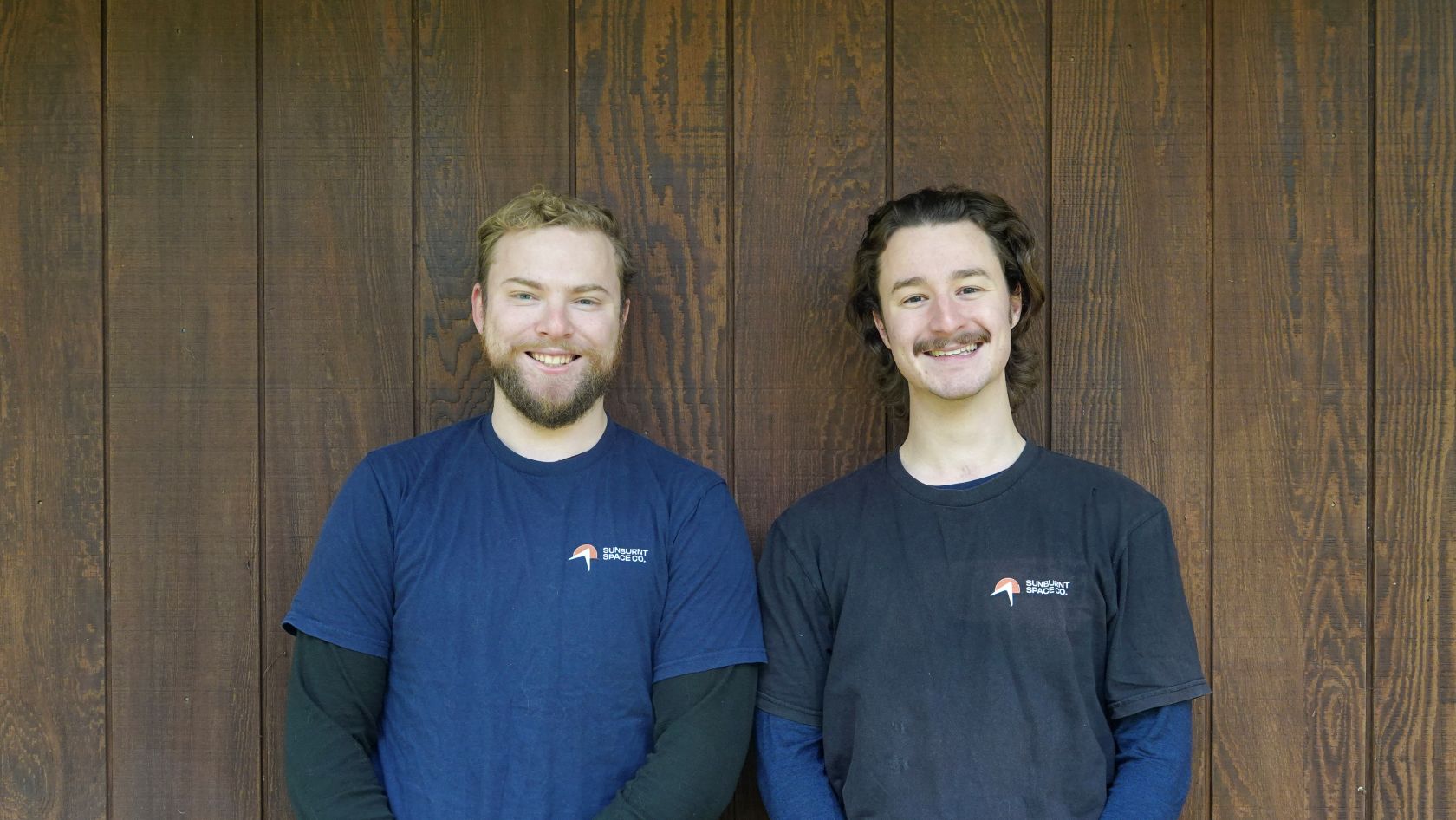


Founders: Minh Cung, Hans Bui
You're Uber in 2013. You are about to embark on a new major milestone, expanding into Southeast Asia, with Singapore being the first stop. What was supposed to be a new mark in the Uber story was actually an expansion attempt fraught with mistakes and lack of cultural nuance. Why? A failure to offer discounts of all things. A simple acquisition tactic, but one that comes with years of understanding on how this region consumes and more importantly purchases. Grab became the go-to ride-share app by leveraging this very tactic. Going global isn't just about translating your offering, it's understanding how different cultures operate and orchestrating your expansion around that. This is what Minh Cung has lived through and now made it his mission with Hyperlocalise teaming up with his co-founder Hans Bui. Hyperlocalise is helping companies localise products for global markets using AI agents. It's starting with translation before owning the entire orchestration of global expansion efforts, end-to-end.
Minh saw this problem firsthand at companies like Canva and Heidi. He noticed that more than 50% of revenue at these tech giants was coming from non-English speaking markets, yet the approach to capturing these markets was outdated and inefficient for smaller teams. Enterprises would hire local teams which were often expensive and slow, and attempt to brute force their way into new markets leveraging their financial resources. Startups don't have that type of financial power. We're living in a new AI-dominated economy where globalisation has become necessary to match benchmark growth rates. With Hyperlocalise, you can lower the barrier to capture new global markets starting with translation and search engine optimisation. This already splits the difference between startups who can accelerate their market share and those who simply get left behind. However, Minh is taking it a step further. He understands translation is just the starting platform. Minh's previous startup was Trip.social, helping make travel easier for tour guides, creators and businesses. He spent years understanding how different countries operate and the cultural nuances that make up each individual market. Uber lost the right to monopolise the ride-share market in Southeast Asia because they didn't understand how cultural norms affected purchasing decisions. Bargains and discounts played a big factor in this price-sensitive market's buying psychology, and Uber failed to capitalise. Minh saw countless small cultural nuances that played a big part in whether companies could own a new market or fail trying to do so. It's not just translation; it's strategy and local playbooks for operating in those countries.
One of the most interesting things about Minh is how he can find new opportunities in unlikely areas. He built Trip.social over several years and slowly built an unreplicable knowledge of culture and market operations. It was likely that expertise that led him to build Canva’s localisation products including Magic Translate, and most recently leading localisation for Heidi Health. Hans anchors the product side, drawing on his work developing eCommerce solutions at Tyro Payments and partnerships at Samsung. Now with Hyperlocalise, Minh's been acting as every startup employee including marketing and creative strategy. His AI advertisements are exploding on social media, showing how powerful translation can be in entertaining content. Now he's interested in AI-translated product videos from some of the biggest enterprise companies in the Australian market. Translation may be entering a new frontier. All levels of companies, whether you're a startup, scale-up or enterprise are focusing on distribution. In this AI age, the ability to get in front of your customer with real value is becoming more important than ever with oversaturation in social media. Companies are devoting large amounts of budget to production and filming, but that doesn't necessarily factor into translating content into different languages. That leaves a lot of money on the table.
Hyperlocalise is set to become the intelligence and execution layer for global growth. They'll be the platform every company uses to launch successfully in every market with hyper-local elements. Minh and Hans are shifting the narrative with what's possible in localisation.