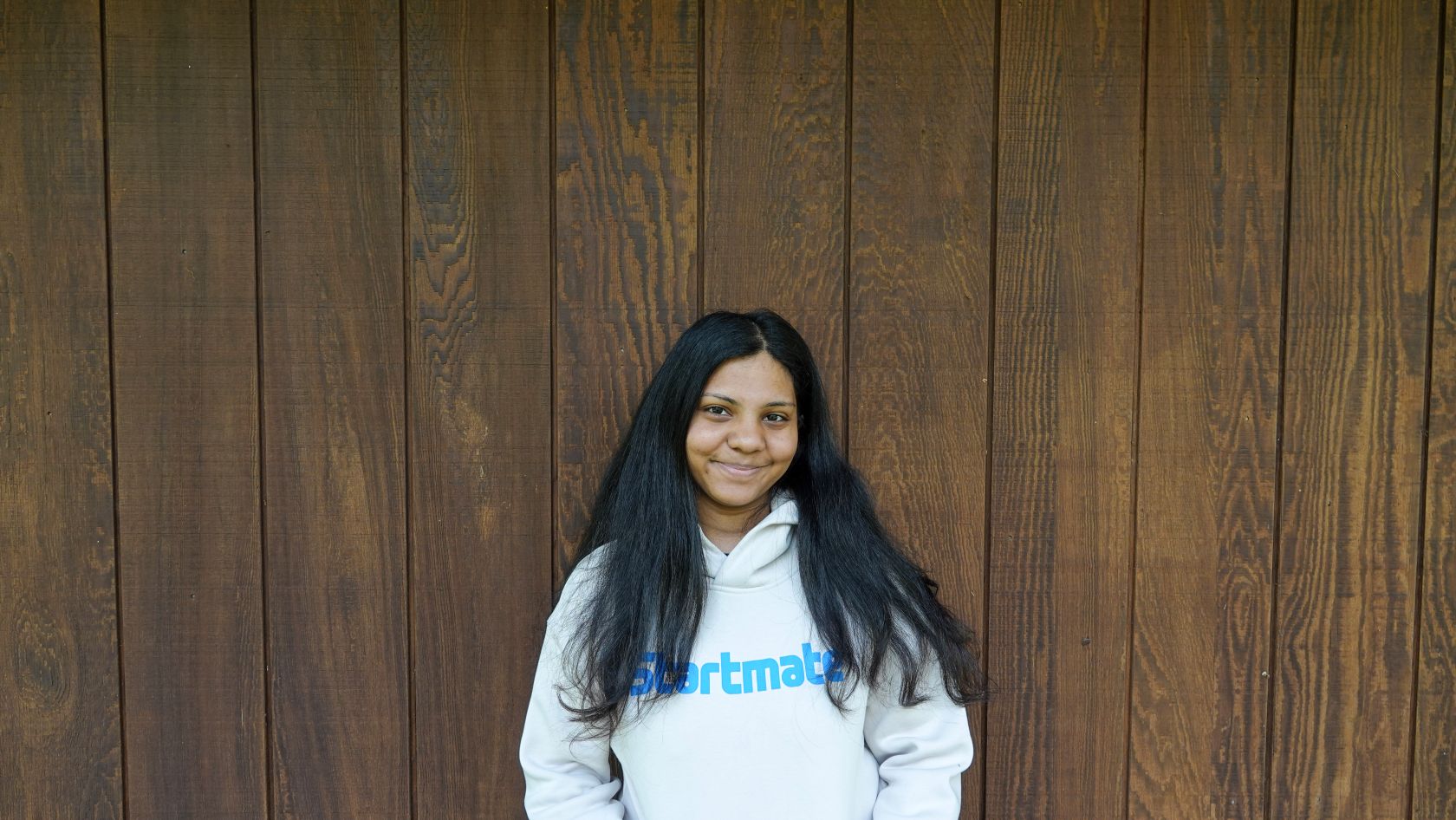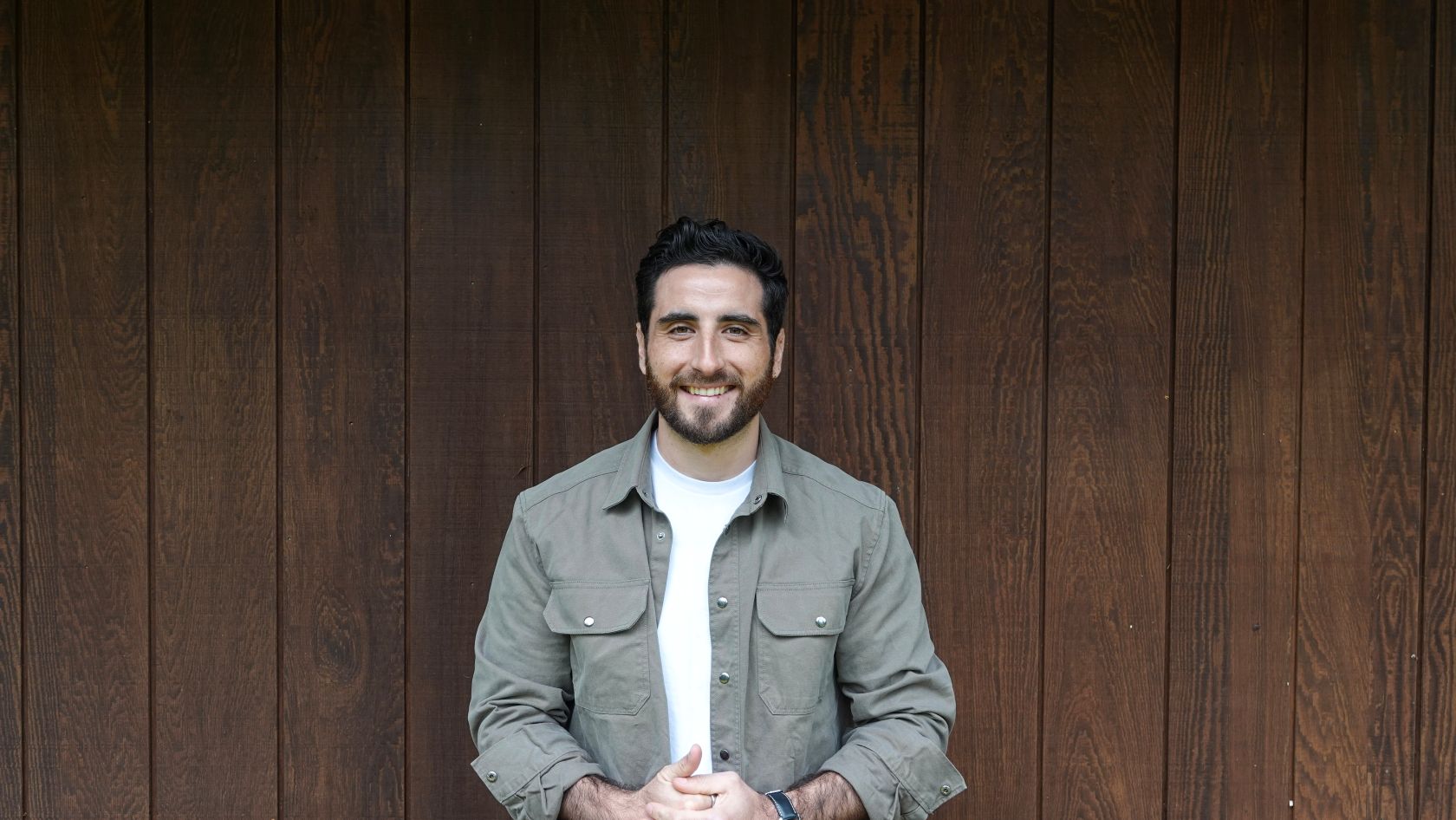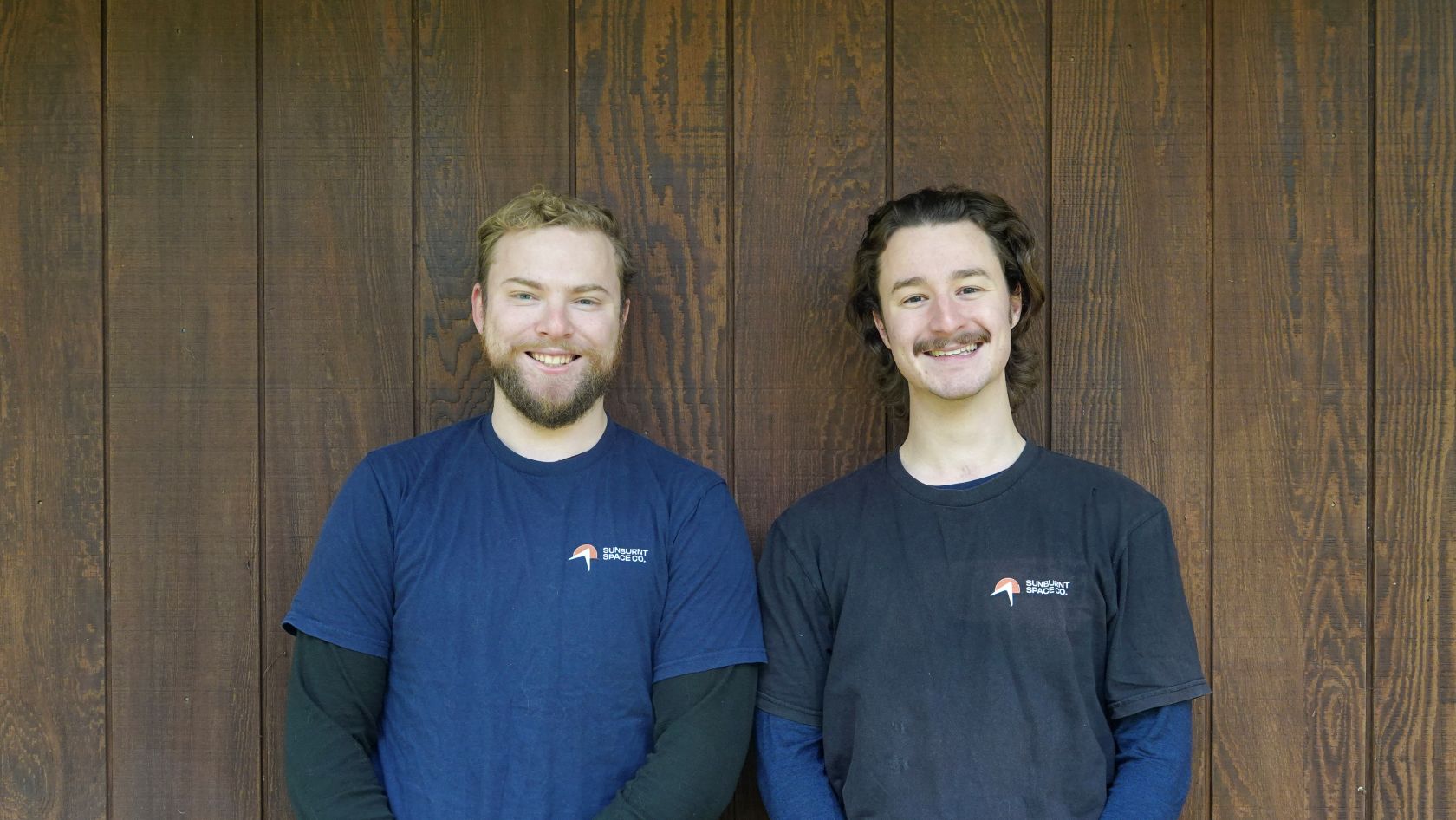


Founders: Brad Younger, Sam Cain, Robin Biskupic
Sometimes obsessions can last a lifetime. For Brad Younger, his obsession with space has stuck with him for more than twenty years. At fifteen years old, he saw a rocket kit on the shelf of a hobby store that sparked something inside him. When his dad wouldn't buy it for him, he waited two years to be old enough to get a job and use his first pay cheque to buy that very same rocket kit.
Brad ran a lot of different businesses before he started building rockets, but he always felt this calling to space lingering nearby no matter what he did. He worked in marketing and sales, grew his own e-commerce integration app to seven figures, and eventually started his own space games company. Brad’s previous company Space Games was a love letter to this passion, running Minecraft tournaments from a server placed in space. This was the first of its kind, a server that launched into the sky on a model rocket while players competed on it.
Eventually rockets stopped being just a hobby. Brad became president of the NSW Rocketry Association and earned the highest amateur rocketry certification. This was where he met the talented Sam Cain and Robin Biskupic who make up the Sunburnt Space Company today. Sunburnt was Brad's first vision of a rocket company born and bred in Australia. He picked up the keys to their first factory at 4:55pm on 20th December 2024, and had five minutes to organise insurance and background checks before everyone went on a two-week break. They moved in that very day and looked to test their first rocket as soon as possible. Using his business experience, Brad wanted to test if the company could make any money before even launching their first rocket. He door-knocked local businesses, selling ad space on his rockets for $75. That experiment gave him the confidence that if the company could get sponsors at the lowest tier, it could eventually fund bigger launches.
The company took shape when Sam and Robin joined the team as the first Australian students to build a liquid rocket engine. What Brad thought would take him years ended up getting condensed into weeks through Sam and Robin's technical expertise. Previously, Robin worked at Space Machines Company where he saw firsthand how broken testing for space really was. This has become the thesis of Sunburnt today. Existing methods for testing are incredibly expensive, chronically overbooked, and can only simulate one environmental condition at a time. For researchers and companies, that means waiting months, sometimes years, for a single chance to see whether their technology works in space. Sunburnt is on a mission to leverage reusable rockets to test payloads in zero gravity quickly and affordably. They've coined the term "Zero-G-on-demand" leveraging fully reusable suborbital rockets that fly to the edge of space and return payloads intact.
Late last year, Sunburnt launched and recovered its first rocket, Mini Meggs. This was proof that Australia could compete in microgravity testing. The rocket had four deliberate goals: prove the engine, prove the rocket could be recovered, prove it could carry customer experiments safely, and prove the team could run a launch from its outback site at White Cliffs. Getting the rocket back meant customers could get their experiments back, study the results within days, and fly again quickly and more cheaply. That turns space research from a one-off gamble into repeatable science, especially for biology, materials and hardware testing. Sunburnt's latest feat was a commercial launch of a rocket that was both designed and built in Australia and ran on liquid fuel. It reached 17,000 ft on a part-filled tank, carried customer payloads, gave about 7 seconds of microgravity, and was recovered the same evening.
Australia has never had its own commercial service for testing experiments in microgravity. Researchers usually have to go overseas, which is slow and expensive. Launching and recovering rockets at home gives Australian researchers, universities and companies faster and cheaper access, and a first step towards orbit. In Sunburnt's words, this is how Australia becomes "a launch nation".