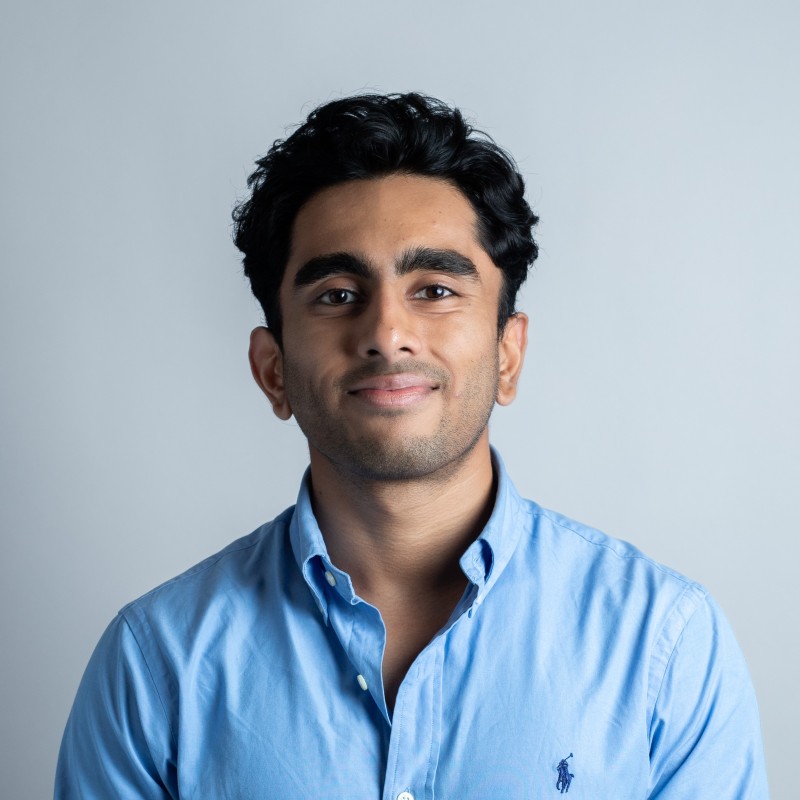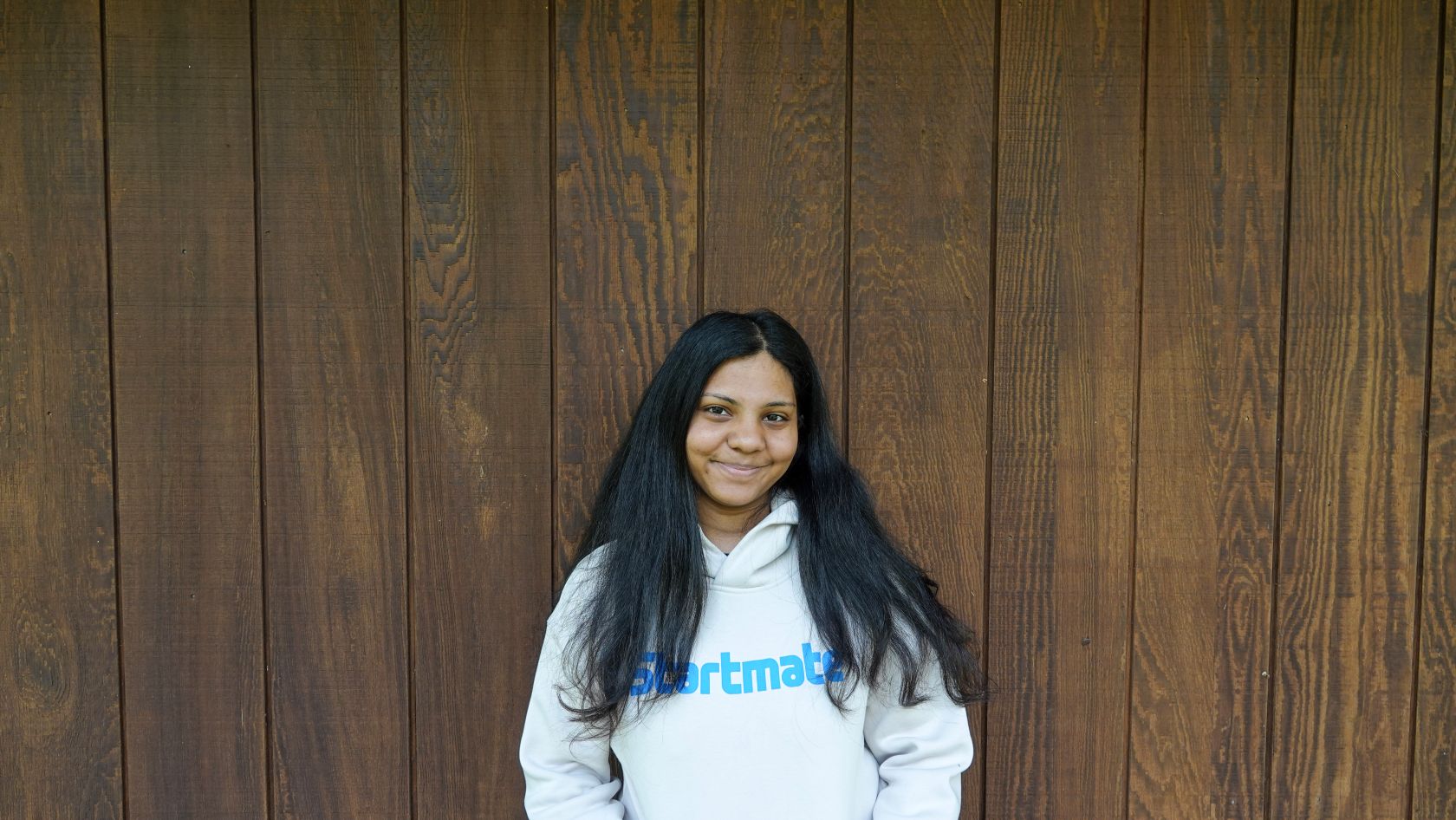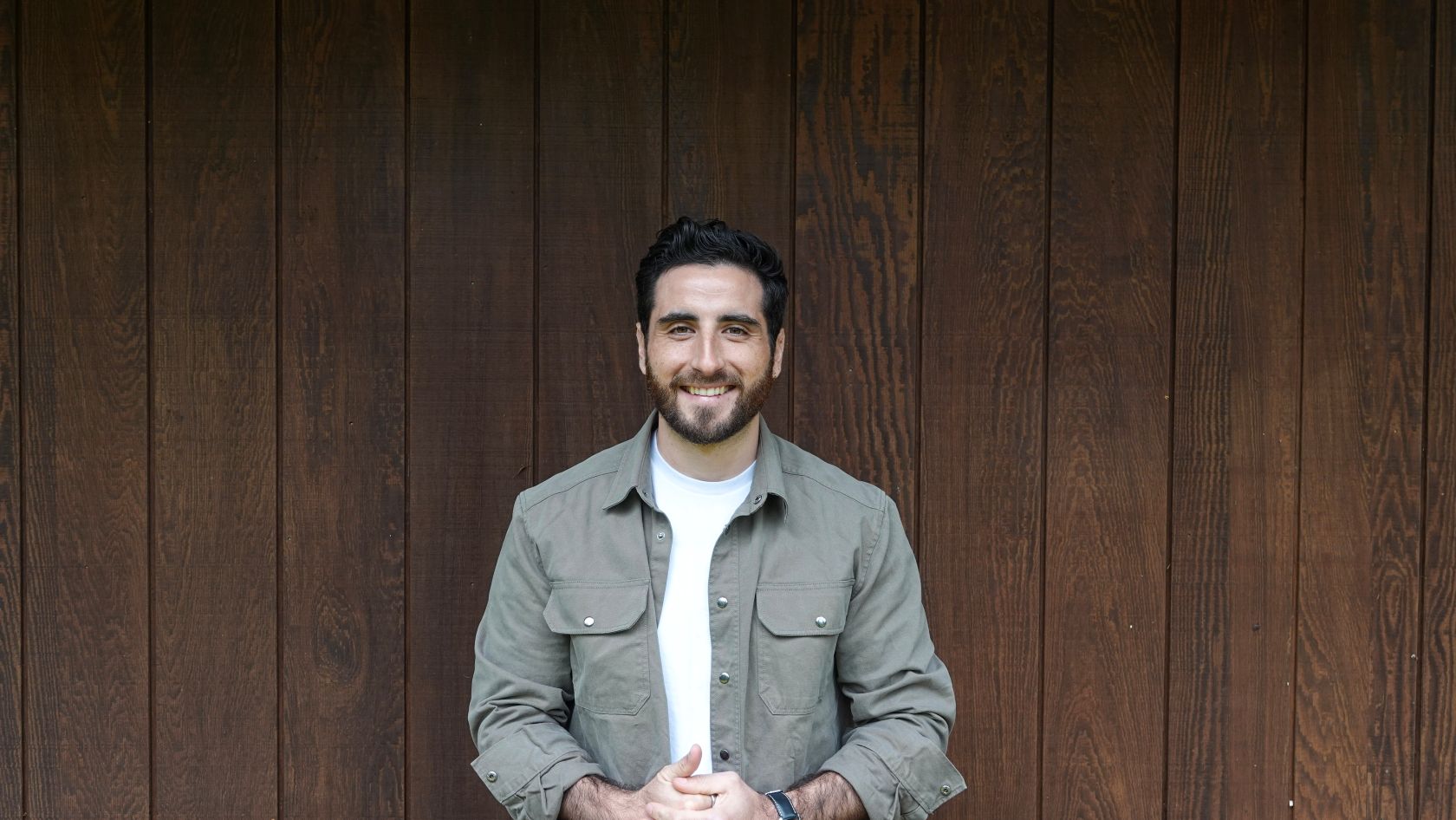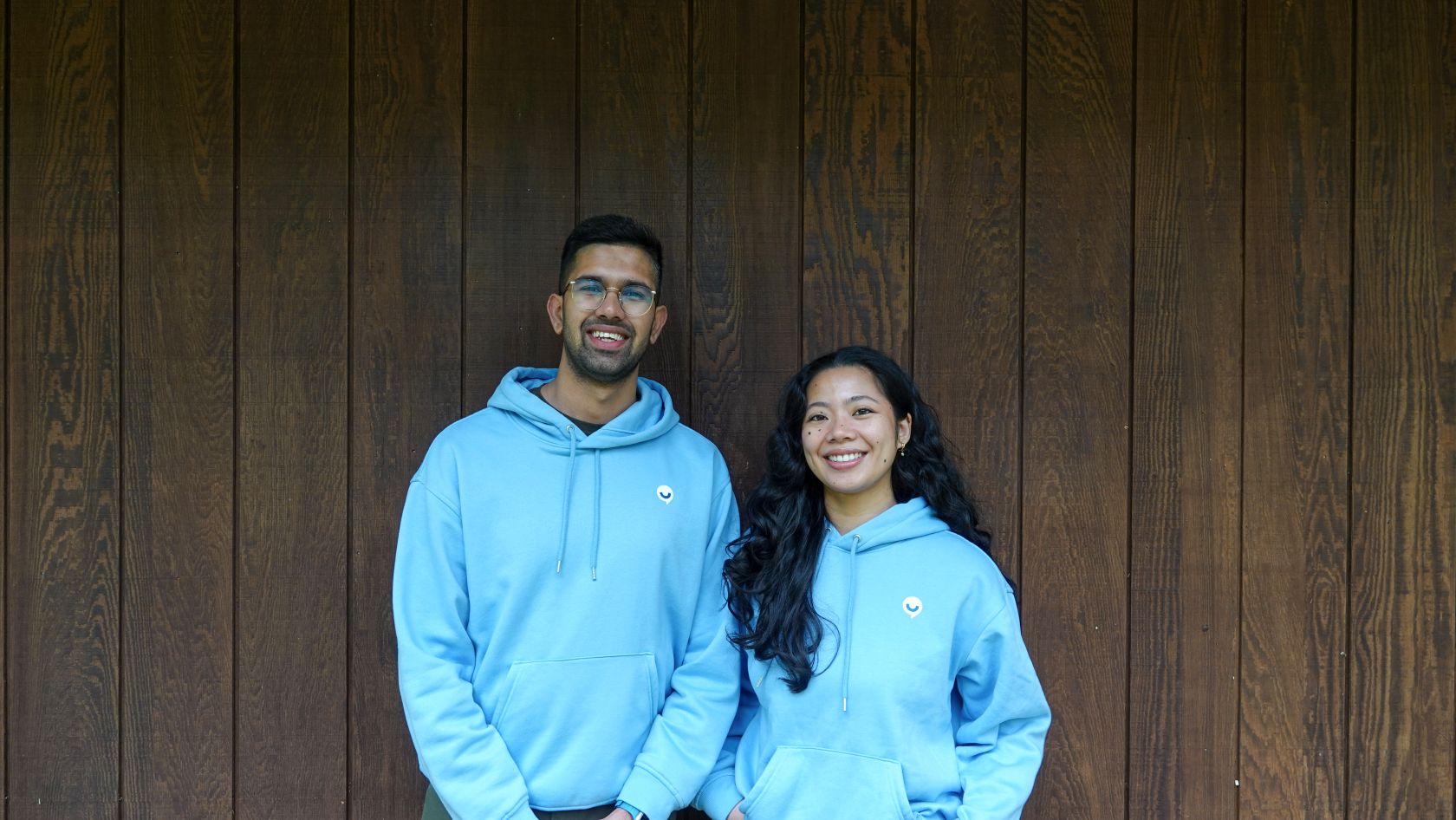


Founders: Akash Mokashi, Erika Orogo, Saurabh Bachawe
It's not every day that part of the founding team are two people who have been life partners for years. Akash and Erika can probably vouch that the co-founder relationship is going well, considering they got married only a few months ago. Perhaps what makes them such a strong team is the years of understanding and trust built between them that not many founding teams can match. Erika by trade is an oral health therapist, a title that was actually hard-fought for. Change is hard to come by in the oral hygiene industry. That's likely the reason why so little has changed in dental software over the past few decades. The incumbents feel no need to innovate which is costing clinicians countless hours. Erika felt that first hand. One night instead of heading to their scheduled dinner reservation, she came home from work a few hours late. Akash, like any good partner, wondered what was keeping his other half from enjoying some quality time together. It turned out to be administrative work, so much of it that it was getting in the way of patient care. Akash volunteered for a three-week sprint at Erika's clinic as a pseudo-dental assistant and observer to figure out how he could help. The main observation was frustrating: X-ray and clinical technology had evolved greatly over time yet patient management software felt like it was built in 1996. Likely because it was. This discovery led to a “dental therapy" tour (as Akash calls it), where he acted as a sounding board for clinicians across ANZ to understand what was making their lives harder. Those conversations shed light on the bigger picture. Clinicians were so pressed for time that they couldn't chart patient data effectively. As a result, clinicians were underreporting periodontal (gum) disease in patients. Up to half of adults have gum disease, but if a clinician can’t chart it in ten minutes, it doesn’t get recorded.
Here’s how the process works today. Your average clinician will have just ten minutes to collect six data points across each tooth and chart the data into their internal system. It’s a near-impossible job that takes some of the best clinicians more than thirty minutes to do right. Yet the expectation is to chart a full report in-between appointments within a ten-minute window. Naturally, most clinicians aren’t doing this today with findings showing that only 40-60% of a chart usually gets completed. In most cases, more experienced clinicians are choosing to memorise the numbers and tell the patients verbally instead. Why? Because they know that charting is just not possible with the time they have. Akash found out that most charting tools required the user to press shift+number on the keyboard every time they needed to chart a number above six (for the record, a reading above six for common measures such as pocket depth usually means you need an emergency procedure). If you’re at risk of gum disease, it’s likely your charts aren’t showing the full picture making insurance even harder to claim (only 21% of U.S. gum disease claims are approved on first submission). For a disease that affects up to half of adults, these numbers are concerning. It was concerning for Akash and Erika when they looked under the hood of the dental industry. Orva was built to give clinicians a hands-free way to chart. No back-and-forth between patient and computer. Clinicians dictate their findings and Orva’s AI creates comprehensive charts automatically. No more scrambling to chart between patients or simply leaving charts half-done.
What makes this team impressive is their dedication to patients, and willingness to do whatever it takes to understand their client’s problem deeply. As part of operation ‘Kiwi Fruit’, they travelled 14,000km to hand out kiwi fruits to clinicians all over North America to simply ask about their issues and showcase their product. This impressive stunt landed them a 41% conversion rate from door-knocking simply because they had the willingness to care. Akash and Erika are a formidable team but the bedrock keeping the product in force is a man named Saurabh. Akash was looking for a gun engineer to join a previous company he was working for in the web3 space, and Saurabh was the first name on his mind. They went on to work together for more than a year, being the only two people from India to work in a Japanese fintech company. When Orva was in the works, only one person was suited to lead the technical function. Saurabh learnt how to be incredibly meticulous on product from this experience and that plays a huge part in how Orva functions today.
Orva is creating a world where gum disease is easier to spot and patients are empowered to take action earlier in life. What the team is most proud of is the fact that “most healthcare AI requires clinicians to change how they do things. Orva is the opposite”. The AI learns how you do things and then becomes yours. Clinicians will now chart in a way that doesn’t hinder the patient experience making it easier to chart, diagnose and send reports out to insurance providers. Orva is saying that gum disease doesn’t have to be overlooked. They’re bringing time back into the hands of clinicians and in turn giving one of the world’s most common diseases the attention it deserves.