

Most companies don’t really have a traffic problem.
They can get people to their website just fine, the issue is what happens next.
Visitors arrive, look around, and leave without signing up or buying, and in most cases, the team behind the site doesn’t fully understand why.
Figuring it out properly is harder than it sounds. It usually involves analysing competitors, defining who the ideal customer actually is, reviewing session replays, interpreting heatmaps, and trying to make sense of how different traffic sources behave. Even when teams have access to this data, pulling it together into something actionable takes time, experience, and sustained focus.
In practice, that rarely happens. Most teams make incremental changes based on instinct, outsource parts of the process to agencies, or increase ad spend in the hope that performance improves. Sometimes it does, often it doesn't, and even when it works, the reasons aren’t always clear. Over time, that uncertainty compounds.
That’s the gap cascayd is built to address.
When building gets easier, growth gets harder
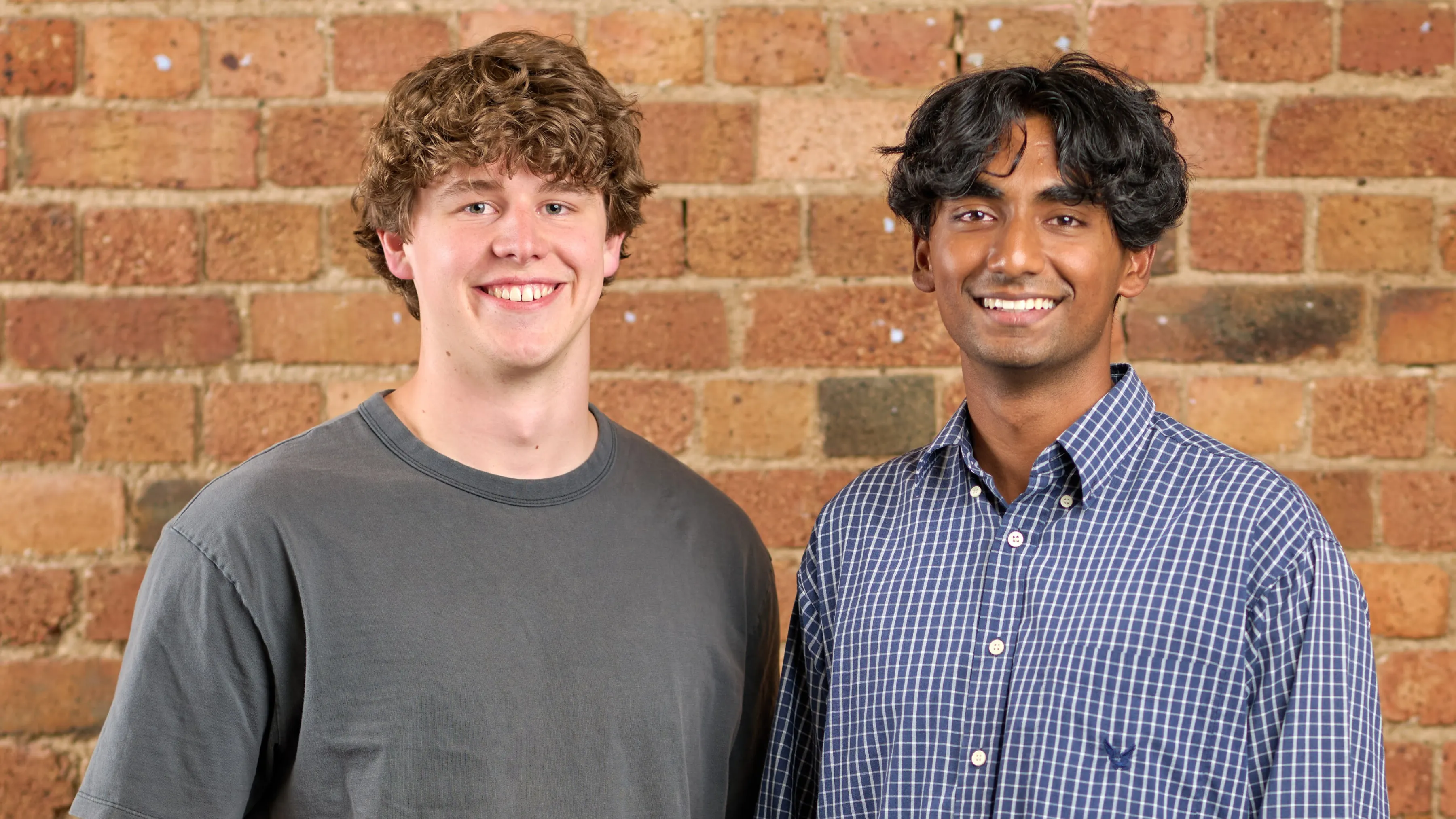
For Chirag Babu and Will O’Brien, the idea for cascayd didn’t come from a single moment but from a pattern they kept running into while exploring different startup ideas.
They were both deeply interested in how companies are built, and spent time speaking with founders, mapping industries, and testing ideas across different spaces. Early on, they even built a Lovable clone, partly out of curiosity, and partly to understand how quickly products could now be created.
What stood out wasn’t just how easy it had become to build, but how much harder it had become to grow.
As more tools made it possible to launch quickly, the number of products competing for attention increased. Turning that attention into revenue remained difficult. The underlying challenge hadn’t changed. Converting visitors into customers was still the bottleneck.
Turning data into something teams can act on
cascayd is designed to help growth teams understand what’s happening on their websites and what to do about it, without requiring them to become specialists in analytics.
Companies connect their data and provide context about their brand and customers. From there, cascayd analyses how visitors behave, where they drop off, and what might be preventing conversions. Instead of presenting raw data, it returns a set of clear, evidence-backed suggestions aimed at improving performance.
Importantly, it doesn’t stop at recommendations. The platform also tests those changes, creating variations of the site and comparing how they perform. This allows teams to see what actually drives results, rather than relying on what feels right or aligns with internal opinions.
Over time, the goal is to replace guesswork with something more grounded in evidence.
Built by people who already knew how they worked together
Chirag and Will first met in Year 7 maths class. At the time, they weren’t especially close, but they shared an interest in problem solving and building things, something that stayed with them as they went through school and into university.
Years later, they reconnected through that same shared interest in startups. They began meeting regularly, exploring ideas, and building small projects together, ranging from faceless YouTube automation to AI tools for handling restaurant phone calls. Through that process, it became increasingly clear that they worked well together, with complementary strengths and a similar approach to problem solving.
Before committing fully, they decided to test that dynamic in a more unexpected setting. They cooked a four-course French meal together for their partners, coordinating everything from gluten-free baguettes to crème brûlée. What stood out wasn’t the meal itself, but how naturally they worked side by side, moving through the process without needing to over-communicate.
That experience made the decision feel straightforward.
When it became clear this worked
Like most early-stage products, the biggest question wasn’t whether the idea made sense, but whether it would deliver real value.
That clarity came through early user feedback. In response to one of cascayd’s AI-generated audits, the reaction was immediate:
“Woahhhhhh! You guys this report is unbelievable. The level of data and ad analysis has truly blown my mind.”
Automating how growth actually happens
cascayd is starting with conversion rate optimisation and A/B testing, but the ambition extends further.
The goal over time is to automate more of the work that sits behind growth, from identifying opportunities to testing and iterating on them continuously. This includes areas like SEO analysis, campaign optimisation, and other functions that are traditionally handled manually or outsourced.
As the product evolves, the aim is to become something teams rely on to understand what’s working, what isn’t, and what to do next, without needing to stitch together multiple tools or processes.
The ask
cascayd is working with B2C brands doing between $5M and $50M in ARR who want to get more value from the traffic they already have.
You can learn more at cascayd.app
Watch them pitch at Demo Day
When: Thursday, 30 April @ 7:00 PM (pre-party starting at 5 PM)
Where: Carriageworks (at the close of Blackbird's Sunrise Festival)
What: Pitch night (19 companies)
Tickets: Grab your ticket here